
The government has chosen to profiteer off people's misery and suffering, Gandhi said.

The government on Thursday more than doubled the price of natural gas that is used to produce electricity, make fertilisers, turned into CNG and piped to household kitchens for cooking, on the back of a spike in global energy prices. The price of gas produced from old regulated fields, such as the nation's largest gas field of Bassein of ONGC, will rise to a record high of $6.10 per million British thermal unit (mmBtu) from the current $2.90 per mmBtu, according to the oil ministry's Petroleum Planning and Analysis Cell (PPAC). The new price, which is likely to result in a hike in CNG and piped cooking gas rates, will be for six months beginning April 1.

With the government not continuing with lower excise duty beyond December 31, major car makers, including Maruti Suzuki, Hyundai, GM India and Honda have raised vehicle prices by up to Rs 127,000.

Higher prices are burdening household budgets and threatening the margins of leading manufacturers.
From April 2020, manufacturers will have to hike prices of diesel cars sharply to accommodate the costs incurred in the transition to BS VI emission norms, and widening the gap between a diesel and petrol car.

In a virtual rebellion against the United Progressive Alliance government, its largest ally Trinamool Congress on Friday threatened to pull out over the petrol price hike, as it sought an appointment with Prime Minister Manmohan Singh before taking "any vital decision".

So, while it is great that India's numbers look relatively good, don't raise a cheer just yet, points out T N Ninan.
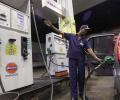
After the latest spike in crude oil prices, petrol prices could potentially go up to around Rs 90 a litre making a dent in the consumer's wallet. This, the analysts fear, will push the cost of vehicle ownership in the country, further reducing the demand potential for the industry.
Oil prices slid to a three-week low on Wednesday on expectations of falling global demand after India , the world's sixth largest oil and gas consumer, lowered its fuel subsidies.
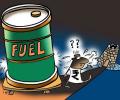
A swift recovery in oil demand in India is not only helping the stability of the global market, it is giving huge fiscal headroom to the government in terms of additional excise duty.

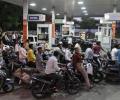
State-owned fuel retailers, who control 95 per cent of the petrol pump sales, sell diesel at government-fixed rates, which are way lower than the cost of production.
Attacking the government for a provision of a mere Rs 500 (Rs 5 billion).

The company, which already has around 66 per cent market share in the hatchback segment and about 50 per cent in the overall domestic passenger vehicle segment, currently sells Vitara Brezza and S-Cross in the SUV segment. In an interaction with PTI, MSI managing director and CEO Kenichi Ayukawa acknowledged that there was some lag in launching new products due to the pandemic but the company is now on track regarding new model launches.

Maruti Ciaz and Ertiga are exempt from the infrastructure cess and so, there is no change in the prices of these models.

If oil prices stay at their new level of $72 or drop further, India will be in the happy position next year of enjoying a surplus on the trade account.

From social engineering to bearing the cost of COVID-19 treatment to financial reconstruction of Tamil Nadu's debt the debutant chief minister is emerging as a leader with a difference, says Shjne Jacob

For the first time in more than a decade, diesel demand has declined this fiscal as monthly price hikes and increased power generation clipped consumption, Indian Oil Corporation (IOC) Chairman R S Butola said.

The price of the Indian basket of crude oil jumped as much as 78 per cent to cross $50 a barrel last week, from a multi-year low of $28 in January.
Not only do you need an effective and independent regulator, you also need competition to flourish.

Currently, Maruti Suzuki has 14 car brands, but it has decided to expand into some new segments.

Budget is widely seen as a test of Prime Minister Narendra Modi.

Markets ended in green on rate cut hope.

Oil Minister M Veerappa Moily has suggested pricking the ballooning oil bill with everything from a street theatre campaign encouraging lower fuel use, to shutting fuel stations, to increasing imports from Iran.

Movement of rupee and crude oil prices will also dictate the trend
When oil prices collapse from $110 to $45, economic agents in India experience a large income windfall.
